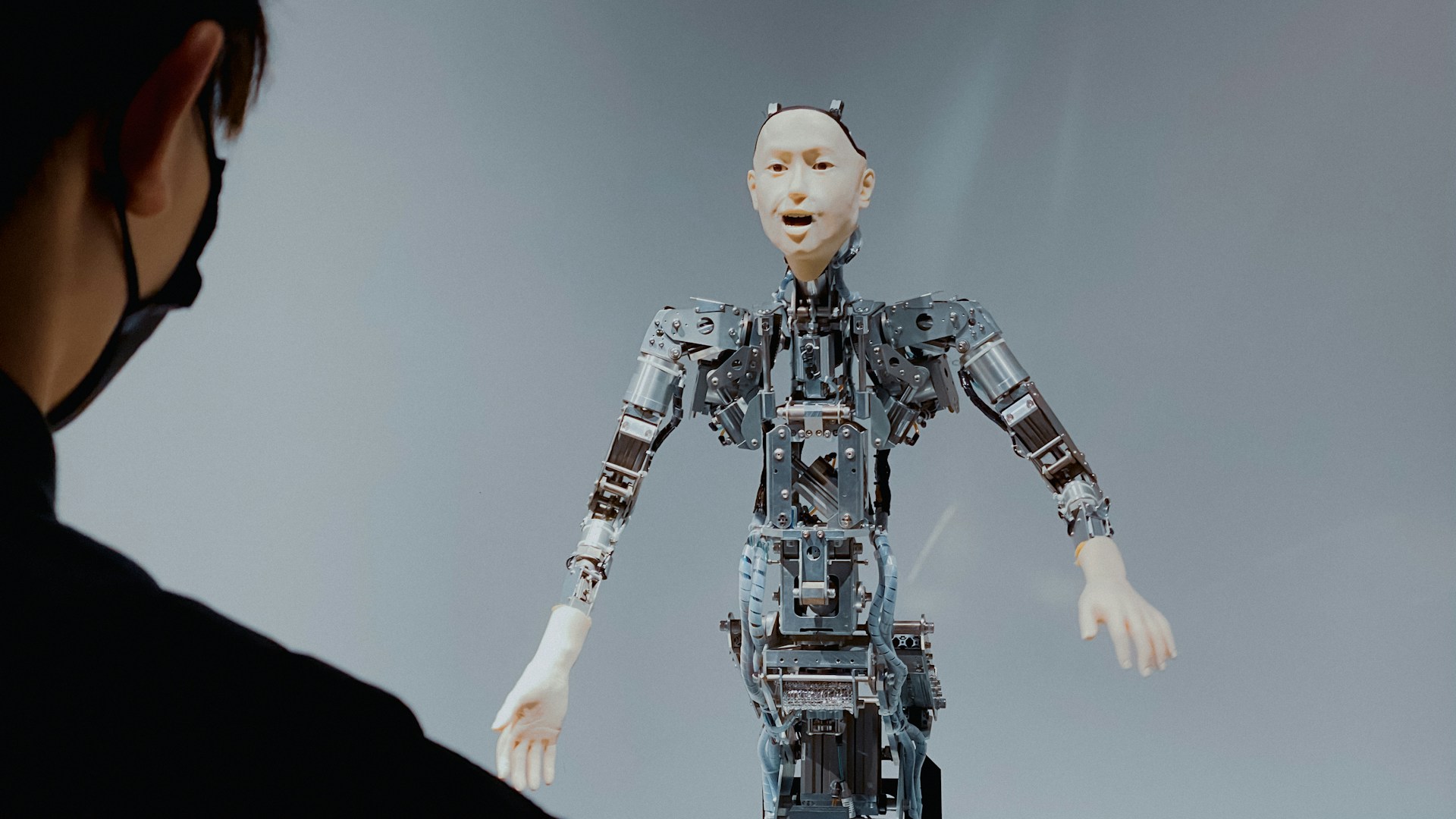
Social media has always been a playground for experimentation. Viral dance routines, reaction videos, speed challenges, and creative stunts constantly reshape what people watch and share online. But in recent years, a new and unexpected participant has entered this ecosystem: robots.
Researchers, engineers, and content creators have begun using robots to perform popular social media challenges — from dance trends to cooking experiments — both as entertainment and as serious tests of robotic intelligence. These experiments reveal something fascinating: when robots attempt tasks designed for humans, they expose the limits of artificial intelligence, physical coordination, and emotional interaction.
At the same time, robot challenge videos have proven to be highly effective at attracting attention on platforms like YouTube, TikTok, and Instagram. In many cases, robotic experiments go viral precisely because they combine advanced technology with playful internet culture.
In this article, we’ll explore how robots are participating in social media challenges, what researchers learn from these experiments, which robots have become internet stars, and how creators can build an audience around this unique niche.
Why Robots and Social Media Challenges Are a Perfect Match
Social media challenges typically follow a simple formula: a recognizable task that is easy to replicate but difficult to perform perfectly. Examples include dance routines, reaction challenges, cooking tests, or coordination tasks.
For robotics researchers, these challenges are surprisingly useful benchmarks.
Many viral trends involve skills that are extremely difficult for robots, including:
- precise motor coordination
- balance and posture control
- object manipulation
- timing and rhythm
- interpreting visual cues
When a robot attempts a viral challenge, engineers can observe how well its algorithms handle real-world unpredictability.
For viewers, the appeal is equally obvious. Watching a machine attempt something designed for humans often produces unexpected and entertaining results.
A robot trying to flip a pancake, pour coffee, or perform a TikTok dance routine tends to fail in humorous ways. Those failures often become viral moments.
Famous Robots That Took on Social Media Challenges
Several well-known robots have already appeared in viral challenge experiments.
Boston Dynamics Robots
Perhaps the most famous robotic performers online come from Boston Dynamics. Their robots — especially Spot and Atlas — have appeared in videos demonstrating complex movements such as parkour, backflips, and choreographed dance routines.
In one widely shared video, multiple Spot robots performed a synchronized dance to pop music. The clip quickly spread across social media because it blurred the line between engineering demonstration and entertainment.
The choreography was not simply a gimmick. Engineers used the performance to demonstrate advances in:
- dynamic balance control
- real-time motion planning
- coordinated multi-robot systems
Toyota’s Basketball Robot
Another fascinating challenge came from Toyota Research Institute, which developed a humanoid robot capable of shooting basketballs with remarkable accuracy.
In one experiment, the robot successfully completed 2,020 consecutive basketball shots, setting a Guinness World Record. Although not originally designed as a social media stunt, videos of the experiment spread widely online because they resembled popular trick-shot challenges often performed by influencers.
The robot relied on high-precision sensors and machine learning algorithms that adjusted its shooting trajectory based on previous attempts.
Pepper and Human Interaction Challenges
The humanoid robot Pepper, created by SoftBank Robotics, has also appeared in various online experiments. Pepper was designed specifically for social interaction, making it ideal for challenge videos that involve communication with humans.
In some viral clips, Pepper attempts:
- storytelling challenges
- imitation games
- reaction challenges
These experiments help researchers study how humans respond emotionally to robots that appear expressive.
What Robots Actually Learn from These Experiments
Behind the entertainment value, social media challenges provide a surprisingly effective testing environment for robotics.
Traditional robotics research often takes place in controlled laboratories. Social media challenges, however, introduce unpredictability — something robots struggle with.
For example, a simple “pouring challenge” may reveal problems in:
- liquid dynamics prediction
- grip stability
- object recognition
- real-time correction algorithms
Similarly, dance challenges require robots to synchronize movement with music and maintain balance while performing rapid motions.
Researchers use these tasks to refine reinforcement learning models, where robots improve through repeated trial and error. Each attempt produces new data that helps the system adjust its behavior.
Interestingly, many engineers deliberately publish unsuccessful attempts online. These clips are valuable because they show how robots fail — information that is crucial for improving future systems.
Popular Types of Robot Social Media Challenges
While some robotic experiments are spontaneous, several types of challenges have proven especially effective for both research and entertainment.
Dance Challenges
Dance challenges remain one of the most popular formats on platforms like TikTok. Robots performing choreographed routines often generate millions of views because they combine precision with novelty.
Dance experiments test:
- motor coordination
- motion planning
- synchronization with audio input
The Atlas robot from Boston Dynamics became particularly famous after performing dynamic movements that resembled human dance routines.
Cooking and Kitchen Challenges
Cooking challenges are another interesting area because they require robots to manipulate objects with precision.
Examples include:
- flipping pancakes
- making coffee
- cutting vegetables
- assembling simple meals
These experiments often highlight the limitations of robotic hands, which still struggle to match the dexterity of human fingers.
Reaction and Emotion Challenges
Some robots participate in challenges designed to test emotional interaction.
These might include:
- guessing human emotions from facial expressions
- reacting to jokes or surprises
- attempting small talk with strangers
Such experiments are often conducted using robots designed for human-robot interaction research, such as Pepper or NAO.
How Robot Challenge Videos Gain Millions of Views
Robotics content has become surprisingly popular on social media, especially when it blends education with entertainment.
Several factors explain why robot challenge videos often go viral.
First, they offer a unique visual contrast. Humans performing challenges are common, but machines attempting the same tasks instantly attract curiosity.
Second, robotics content often appeals to multiple audiences at once:
- technology enthusiasts
- casual viewers looking for entertainment
- students interested in science
- engineers studying robotics
Finally, these videos often tell a story. A robot attempts a challenge, fails repeatedly, learns from mistakes, and eventually succeeds.
This narrative structure works extremely well on platforms like YouTube, where viewers enjoy following progress over multiple videos.
How to Grow Followers with Robot Challenge Content
Creators who produce robotics content can use social media challenges as a powerful strategy for building an audience. While the technology itself attracts attention, growth usually comes from consistent content strategy.
Here are several practical methods that have proven effective.
1. Combine Education with Entertainment
The most successful robotics channels explain what is happening behind the scenes.
Instead of only showing a robot dancing, creators often include:
- short explanations of the algorithm
- footage of failed attempts
- behind-the-scenes engineering work
This approach attracts viewers who want to learn something new while being entertained.
2. Participate in Existing Viral Trends
Rather than inventing completely new challenges, many creators adapt existing trends.
For example:
- teaching a robot a trending TikTok dance
- making a robot attempt a popular cooking challenge
- recreating viral experiments using robotics
By connecting robotics with existing trends, creators increase the likelihood of appearing in search results and recommendation feeds.
3. Show Progress and Iteration
Audiences enjoy watching robots improve over time.
Posting a series such as:
- “Attempt 1: Robot tries pancake flip”
- “Attempt 5: Improved algorithm”
- “Attempt 20: Success”
creates a narrative that encourages viewers to follow the channel for updates.
4. Collaborate with Tech Communities
Platforms like Reddit, GitHub, and Discord host large communities interested in robotics and artificial intelligence.
Sharing experiments with these communities can drive early engagement, which helps social media algorithms promote the content further.
5. Use Short-Form Platforms Strategically
Short videos on TikTok, Instagram Reels, and YouTube Shorts are particularly effective for robotics content.
A 10–20 second clip of a robot failing hilariously at a challenge can easily reach millions of viewers.
Longer explanations can then be posted on YouTube or blogs for viewers who want deeper insight.
The Future of Robots in Online Entertainment
As robots become more advanced, their role in online content will likely expand.
Future challenge videos may include robots performing complex athletic activities, participating in collaborative games with humans, or even competing against each other in robotic tournaments designed specifically for social media.
Advances in reinforcement learning, computer vision, and robotic manipulation are already making machines far more capable than they were a decade ago. At the same time, audiences continue to enjoy the unpredictable and often humorous nature of robotic experiments.
This combination of cutting-edge technology and internet culture creates a unique space where science meets entertainment.
For researchers, these challenges provide valuable data. For viewers, they offer something endlessly fascinating: machines attempting to master the strange and creative tasks humans invent online.
And for content creators willing to experiment, robot challenges represent one of the most interesting and still relatively untapped niches on social media today.